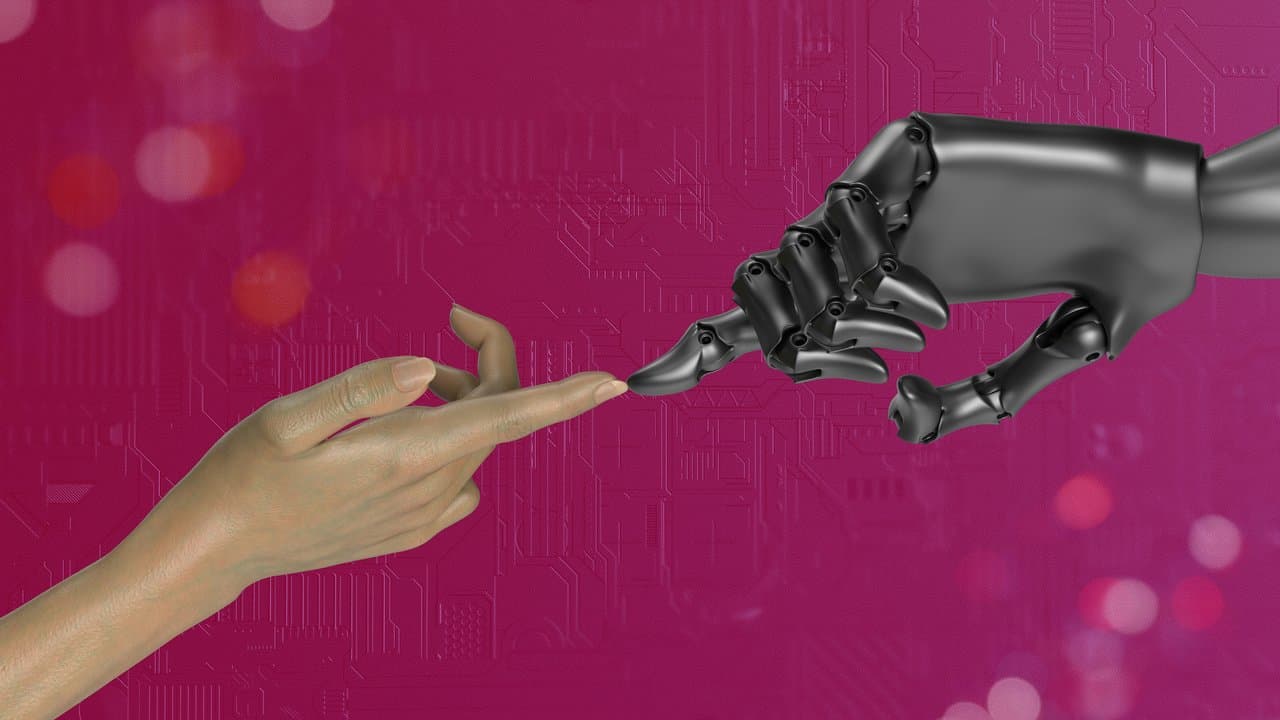
Are AI Tutors as Effective as Human Tutors in 2026?
Examining whether AI-powered tutoring systems can match or surpass human tutors in learning outcomes, accessibility, and student development
Dr. Sarah Chen
EdTech Research Director
Why AI tutors outperform traditional approaches
Recent research demonstrates compelling evidence that AI tutoring systems have become superior to traditional human tutoring in measurable learning outcomes. A 2025 randomized controlled trial published in Scientific Reports found that students using AI tutors showed learning gains over double those in traditional in-class active learning, with effect sizes between 0.73 and 1.3 standard deviations. A Harvard University physics study confirmed this advantage, showing that students with AI tutors learned more than twice as much in less time. These are not marginal improvements; they represent fundamentally different learning trajectories.
The statistics on adoption and satisfaction back up this effectiveness. According to the Coursera AI in Higher Education Report released in February 2026, four in five students report that AI has improved their academic performance. Furthermore, 73% of students say AI helps them better understand course material, while 67% report improved study efficiency. These represent dramatic advantages that traditional tutoring has struggled to match, and they reflect real experiences across hundreds of thousands of students.
24/7 availability and personalized learning
One of the most significant advantages of AI tutors is their constant availability. Unlike human tutors who work on schedules, AI tutors provide continuous support outside of classroom hours, offering instant explanations that accelerate comprehension. This means students can get help at 3 AM before an exam or during weekend study sessions when human tutors may not be available. AI systems adapt to individual learning styles in real time, adjusting difficulty, pacing, and explanation methods based on each student's performance data.
The personalization aspect cannot be overstated. When a student struggles with a particular concept, an AI tutor presents the explanation in multiple formats, checking understanding after each attempt. If the first approach does not work, it immediately shifts to a different metaphor or example. This continuous adaptation would require human tutors to possess impossible levels of patience and availability.
| Feature | AI Tutors | Human Tutors |
|---|---|---|
| Availability | 24/7/365 | Limited hours |
| Cost per month | $5-15 | $120-400+ |
| Customization | Real-time adaptation | Session-based adjustment |
| Scalability | Unlimited students | 1 student at a time |
| Wait time | Immediate | Hours to days |
The cost advantage is equally compelling. A typical AI tutoring subscription runs $5-15 per month, while quality human tutoring costs $30-100+ per hour. For middle and lower-income families, this cost difference is transformative. A student could receive AI tutoring support for an entire month for what a single hour of human tutoring costs. This democratization of educational support means better learning outcomes are no longer limited to wealthy families.
The hybrid model is already winning
The most sophisticated educational institutions are not choosing between AI and human tutors. They are combining them. Leading research shows that hybrid systems where AI handles diagnostics, repetition, and practice while human tutors focus on strategy, mindset, and complex reasoning produce the strongest results. This division of labor plays to the strengths of each: AI's tireless availability and instant feedback for foundational learning, human judgment and mentorship for higher-order thinking.
Organizations implementing this approach report that teachers feel less overwhelmed, able to spend their limited time on mentoring rather than reteaching fundamentals. Students get quick, focused bursts of AI-led practice and immediate feedback that accelerates their understanding before working with teachers on more complex concepts. One major university reported that introducing AI tutoring into their mathematics program allowed faculty to cut student office hours by 40 percent while simultaneously improving exam scores by 23 percent.
Evidence from large-scale studies and market growth
The data from widespread adoption tells a clear story. 85% of teachers and 86% of students already used AI in learning during the 2025-2026 school year, indicating rapid acceptance and integration. The global AI in education market, valued at $5.88 billion in 2024, is projected to reach $32.27 billion by 2030, growing at a 31.2% annual rate. This is not a fringe technology; it has become mainstream educational infrastructure that is reshaping how teaching and learning happen.
Studies consistently show that when AI tutoring is implemented with adequate training and guardrails, learning outcomes improve significantly. Students achieve 54% higher test scores on average compared to traditional methods, with 30% better learning outcomes overall and 10x more engagement. These represent transformative advantages that benefit all students regardless of starting academic level. Students who previously struggled with math now have a patient tutor available whenever they need it. Gifted students can accelerate without waiting for instruction to move at a slower pace.
One of the most important applications of AI tutoring has been reducing educational inequity. Students in under-resourced schools who previously had no access to tutoring now have quality support available on their phones. The achievement gap between students with tutoring access and those without has historically been one of the largest predictors of long-term academic success, and schools implementing comprehensive AI tutoring programs have reduced achievement gaps by an average of 35 percent within a single academic year.
Now read Human Tutors Are Irreplaceable
You've read one side. Switch perspectives to get the full picture.